On October 29, 2026, Ukrainian media reported a new statement from the language ombudsman Elena Ivanovska: Ukraine wants to expand the ban on Russian-language music and other cultural products, and the restrictions may even affect works by Ukrainian performers. Ivanovska spoke about this in an interview with the hromadske.talk project. Reports on her position were published by TSN and other Ukrainian publications.
Author: Stas Shifer
Against this backdrop, the registered bill in the Verkhovna Rada on fines for Russian-language music in cafes, restaurants, clubs, and stores is being discussed again. The maximum amount is 170,000 hryvnias, which as of October 30 is about 11,800 shekels. The new fines are not yet in effect, but the relevant parliamentary committee has already supported the initiative.
Ivanovska proposes to amend Article 15 of the Law “On Culture.” Currently, restrictions on musical works are primarily related to the Russian citizenship of performers and the origin of recordings. The ombudsman advocates for extending the ban on Russian-language cultural products regardless of who created them.
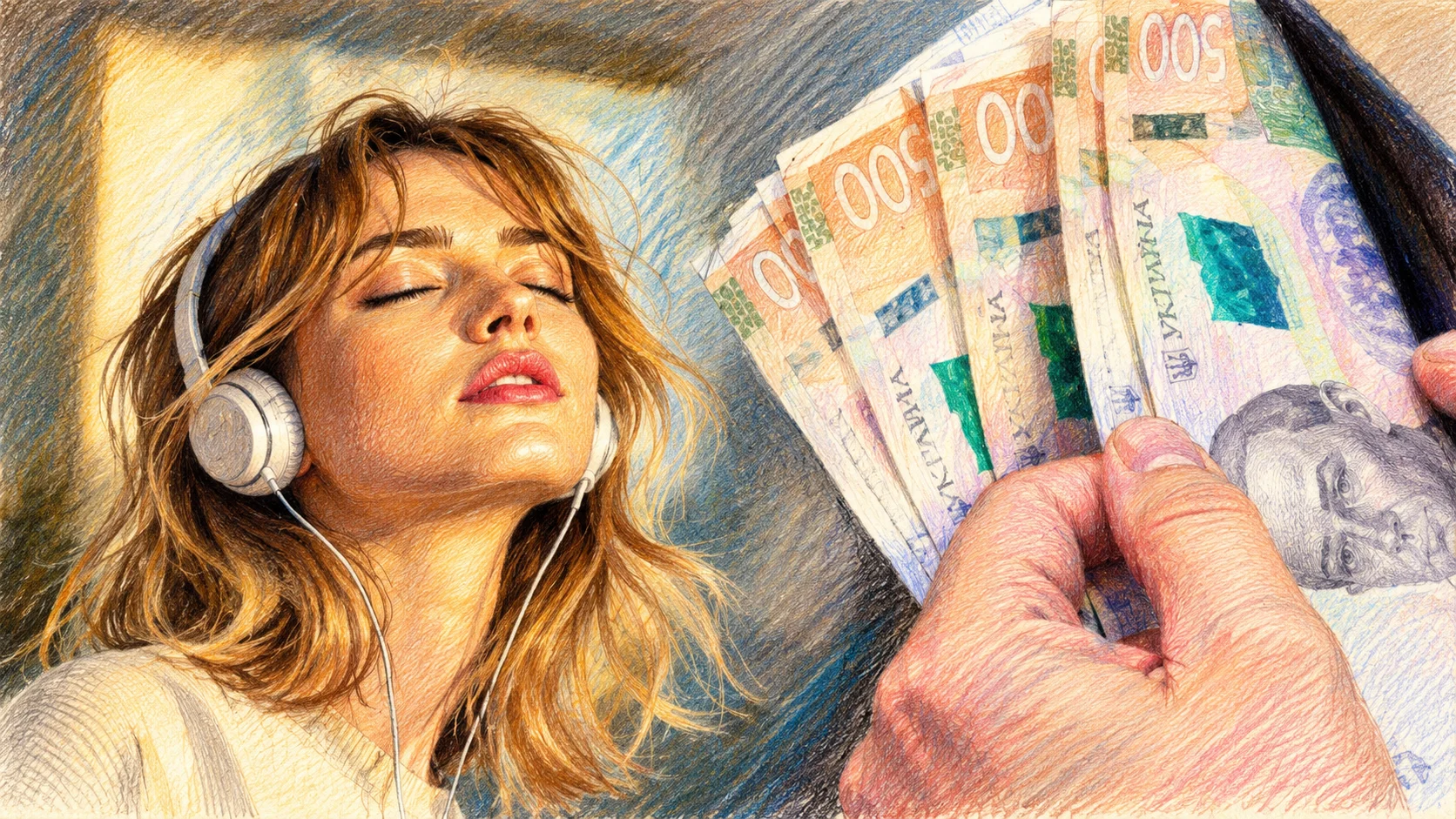
This means that the focus of discussion is no longer just the Russian music industry. Restrictions may affect Russian-language songs by Ukrainian artists who support their own country, help the army, and have long ceased performing in Russia.
Why Ukraine wants to remove Russian-language music from public spaces
To understand what is happening, it is necessary to consider not only language policy but also the circumstances of the Russian war against Ukraine, which began in 2014 and escalated into a full-scale invasion on February 24, 2022.
In the occupied territories, Russian authorities are displacing the Ukrainian language from education, government institutions, and everyday public life. Ukrainian books and curricula are being replaced with Russian ones, access to Ukrainian media is restricted, and expressions of Ukrainian identity become grounds for persecution.
These are not just statements by Ukrainian politicians.
On June 17, 2025, the OSCE Parliamentary Assembly reported beatings of Ukrainian prisoners of war for speaking Ukrainian. The same statement mentioned hunger, denial of medical care, physical, psychological, and sexual violence against prisoners.
In the OSCE report for April 2024, on page 56, there are testimonies of Ukrainian civilians held in Russian detention. People were severely punished for speaking Ukrainian and performing Ukrainian songs, forced to sing the Russian anthem and demonstrate loyalty to the Russian state.
Human Rights Watch has also documented systematic torture of Ukrainian prisoners of war, including cruel treatment related to the use of the Ukrainian language.
On March 20, 2024, the UN Human Rights Office presented a report based on more than 2,300 interviews with victims and witnesses. International observers described the forced introduction of the Russian language, Russian citizenship, legislation, and school programs, accompanied by the suppression of Ukrainian culture.
This explains the position of part of Ukrainian society, which demands not to allow the cultural presence of the aggressor state in restaurants, stores, at concerts, and on city streets.
Supporters of the restrictions argue that Ukrainians are persecuted for their native language in territories occupied by Russia, while Russian-language music continues to play in free Ukrainian cities. For them, rejecting such a repertoire is part of resisting Russian influence, not just a matter of musical preferences.
At the same time, using the Russian language does not automatically mean supporting Russia. Millions of Ukrainians grew up in Russian-speaking families, and many well-known Ukrainian performers created their works in it long before the full-scale war.
Fines from 8,500 to 170,000 hryvnias: who will pay
On July 20, 2026, the Verkhovna Rada registered bill No. 15430, providing for restrictions on playing music in the language of the aggressor state when serving consumers.
On July 24, one of the authors of the initiative, Deputy Oleksandr Sanchenko, explained its necessity in an official statement of the Verkhovna Rada. According to him, the existing small fines do not stop establishments from continuing to play prohibited music.
The following liability is proposed:
- First violation — 8,500–17,000 hryvnias, approximately 590–1,180 shekels.
- Second violation within a year — 17,000–85,000 hryvnias, about 1,180–5,900 shekels.
- Third and subsequent violations — 85,000–170,000 hryvnias, approximately 5,900–11,800 shekels.
The exchange rate on October 30, 2026, is approximately 0.0694 shekels per hryvnia.
The new rules are designed for cafes, restaurants, bars, nightclubs, stores, beauty salons, and other service enterprises. The violator will be considered the person or establishment responsible for playing the music, not the visitor who requested the song.
It is assumed that protocols can be drawn up by the language ombudsman and his authorized representatives without mandatory prior warning. The existing general fines under Article 155 of the Ukrainian Code of Administrative Offenses in some such cases are only 17–170 hryvnias.
A separate bill No. 15412, registered on July 15, provides for broader changes in the legislation on the state language. Both documents received recommendations from the relevant committee on August 4, but as of October 30, they are awaiting parliamentary consideration. The changes proposed by Ivanovska to Article 15 of the Law “On Culture” should be distinguished from the already registered provisions of these projects: the final wording of the future ban has not yet been approved.
Private listening at home, in headphones, or in a personal car is not subject to special fines for the service sector. Complaints due to excessive volume are possible under the general rules of noise compliance, regardless of the language of the songs.
Municipal restrictions appeared earlier: on July 13, 2023, the Kyiv City Council introduced a moratorium on the public use of Russian-language cultural products. Similar restrictions for street performers are in effect in Ternopil. But this is not equivalent to the introduction of new nationwide fines.
Ukrainian artists, Israel, and blocking music on platforms
For the Israeli reader, the example of the Ukrainian rock band NERVY is particularly indicative. After the Russian invasion, the musicians ceased activities in Russia, supported Ukraine, and participated in charitable initiatives. At the same time, a significant part of their well-known repertoire remains in Russian.
In June 2026, the band included Israel in their international tour: June 5 in Tel Aviv, June 6 in Haifa.
Such artists find themselves in a difficult situation. Their political position and practical help to Ukraine do not change the language of songs written many years ago. In the event of broader restrictions, the musician’s citizenship and anti-war stance may themselves cease to be decisive for the public performance of such a repertoire in Ukraine.
There is also a separate issue regarding the status of the Russian language. On June 13, 2026, Ukrainian law No. 4699-IX came into force, excluding Russian from the list of languages to which Ukraine extends special protection under the European Charter for Regional or Minority Languages. Hebrew and Yiddish remain on this list. Previously, NANews reported on this change and its legal consequences.
NANews — Israel News | Nikk.Agency draws attention to another direction of Ukrainian policy: restricting Russian content on international digital platforms.
On October 27, Ivanovska informed the publication “Shelter” about appeals to streaming services and the discussion of the issue in the Office of the President of Ukraine. Among the tools being considered are sanctions by the National Security and Defense Council of Ukraine, or NSDC, against Russian performers, producers, and copyright holders supporting the war.
This concerns YouTube, Spotify, Apple Music, and other platforms. The Ukrainian side points out that listens can bring copyright income to Russian rights holders, and recommendation algorithms continue to spread Russian music content.
Some measures have already been implemented. On October 13, 2026, the NSDC reported the blocking in Ukraine or removal from YouTube of 39 more channels that spread Russian propaganda. Among them are channels and playlists of Oleg Gazmanov, Nikolai Baskov, SHAMAN, Dima Bilan, Basta, Lolita, Mikhail Boyarsky, Denis Maidanov, as well as materials from the animated series “Masha and the Bear.”
But personal sanctions, blocking specific channels, and a legislative ban on the public performance of music remain different legal mechanisms. A universal block on Russian-language songs on YouTube or Spotify has not been introduced.
As of October 30, the main change is still at the level of legislative initiative. After new statements by Ivanovska, the discussion has gone beyond Russian performers: now it is about the possible restriction of Russian-language works in general, including music by Ukrainian citizens.
If the relevant laws are adopted, the rules for the operation of restaurants, clubs, and concert venues may change significantly. For the new fines to come into effect, parliamentary adoption of the law, its signing, and official publication are necessary.