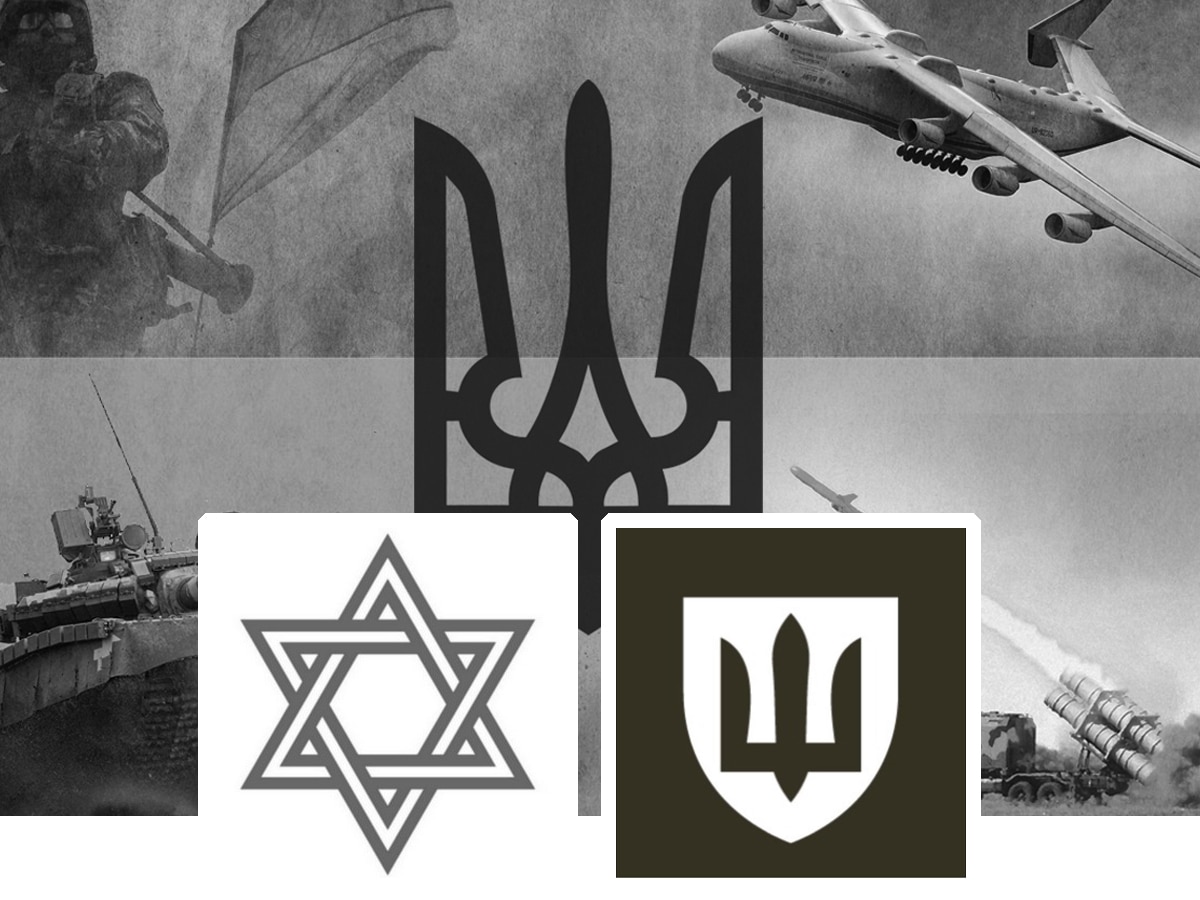
In the context of the ongoing war in Ukraine, the issues of adhering to Jewish religious norms in the army have become especially relevant. One of the most difficult issues is the problem of burning the bodies of Jewish soldiers who fell on the battlefield, which contradicts Jewish law.
Problems with Identification and Burial
The leading rabbi of Kyiv, Yonatan Markovitch, who also serves as the Chief Rabbi of the Ukrainian Prison Service, came to Israel to discuss the issue with the Chief Rabbi of the Israel Defense Forces, Brigadier General Eyal Karim.
This was reported by Ynet.
The main topic of their meetings was the issue of burning the bodies of fallen soldiers in the Ukrainian army.
“When a Jewish soldier dies in battle, the race against time begins to bury him according to Jewish law before his body is burned according to the procedures of the Ukrainian army” — said Rabbi Markovitch.
Problems with Identification and Burning Bodies from the Perspective of Halacha
In the context of war, the issue of identifying fallen soldiers and burning bodies becomes especially complicated from the perspective of Halacha. It is important to understand why the process of identification and burial is so important for adhering to Jewish laws.
- Respect for the body (כבוד המת): In Halacha, the body of the deceased must be buried with the utmost respect, as it is considered a temple of the soul. Any intervention in the body must be done in strict accordance with religious instructions. In wartime, when bodies may be severely damaged or destroyed, it becomes more difficult to ensure proper respect for the deceased.
- Genesis (בראשית) and returning to the earth: According to Halacha, burial of the body is mandatory and must occur as soon as possible, as “you are dust, and to dust you shall return” (Genesis 3:19). For Halacha, it is extremely important that the body is buried in the earth, not destroyed or burned. This contradicts the practice of burning bodies used in the Ukrainian army.
- The necessity of adhering to laws in wartime: During military conflicts, when bodies are often in terrible condition, it is necessary to find ways to comply with religious norms without violating military standards. Halacha permits the use of technologies for body identification, such as DNA testing or x-ray, as long as these methods comply with religious requirements, and each decision requires consultation with rabbis. However, even in these cases, it is important to use such technologies with caution.
- Problem with using Shabbat: One of the most difficult aspects of identification is the question of whether it is permissible to violate Shabbat to conduct a burial or identification of the body. In exceptional cases, when it is necessary to bury the body, this prohibition may be lifted. This makes identification a complicated task in combat conditions.
Details of the Rabbis’ Meeting
During their meeting in Israel, Rabbi Yonatan Markovitch and Chief Rabbi of the Israel Defense Forces Eyal Karim discussed many important issues related to the observance of halachic norms in wartime. The key points of their discussion included:
- Identification of fallen soldiers’ bodies: The rabbis discussed various methods that could be used for quickly and accurately identifying the deceased to ensure compliance with all religious norms related to burial. They spoke about the implementation of technologies for identifying soldiers, such as DNA testing and x-rays, while adhering to halachic principles.
- Course of action in wartime: In active combat conditions, when it is necessary to quickly bury a soldier, the rabbis discussed how to speed up the process without violating religious instructions. A key question was when it is permissible to violate Shabbat to conduct a burial.
- Practical issues in the Ukrainian army: The main topic of discussion was the situation in the Ukrainian army, which, in cases where it is impossible to quickly identify bodies, resorts to burning them. This creates a conflict with halacha, and the rabbis sought ways to solve this problem based on Israel’s experience.
- Principles of cooperation: At the end of the meeting, the rabbis agreed to establish a permanent communication channel for consulting on halachic issues related to military actions. This will allow quick decisions to be made in the event of new difficulties related to the observance of religious norms in wartime conditions.
Cooperation with Israel
In Israel, rabbis provide Ukraine with advice and share their experience in adhering to halachic norms in such complex situations. These are not just technical issues but also moral ones, related to respect for the deceased and their families. With the help of modern technologies, such as systems for rapid identification and adherence to all religious norms, Israel actively shares its experience with Ukraine in solving these problems.
During the meeting, important questions were also discussed, such as when it is permissible to violate Shabbat to conduct a burial of a soldier, and which technologies can be used on Shabbat for identification.
The Importance of Adhering to Halacha
One of the most pressing problems the rabbis faced is the use of technologies to identify fallen soldiers while maintaining the requirements of Halacha (Jewish law). In Israel, specialized procedures have been developed that allow these actions to take place without violating Shabbat, and now this experience is being passed on to Ukraine.
Israel and Ukraine’s Role in Solving the Problem
Ukraine faces an important ethical problem, as the country’s army provides for the burning of bodies to prevent the spread of infections, but this contradicts Jewish religious laws that require the burial of the body in the earth.
“The discussion that took place during the meeting with Rabbi Eyal Karim helped us understand how to create a system that would satisfy both religious requirements and the needs of the Ukrainian army”, said Rabbi Markovitch.
For Jews living in Ukraine, it is important to understand that adherence to Halacha in the army and military cooperation with Ukraine is critically important. Israel actively shares its experience in solving these issues, helping Ukraine adhere to religious norms and provide dignified burial for all soldiers, regardless of their faith.
In light of military aggression and unique religious issues, Israel and Ukraine continue to search for optimal solutions to comply with both military standards and the requirements of Halacha. The work of rabbis like Yonatan Markovitch ensures important cooperation between the two countries, strengthening not only military but also spiritual ties between Israel and Ukraine.
Details on the topic can be found on the news website of Israel and Ukraine – NAnews. We continue to monitor the situation and are ready to provide you with the most up-to-date information.