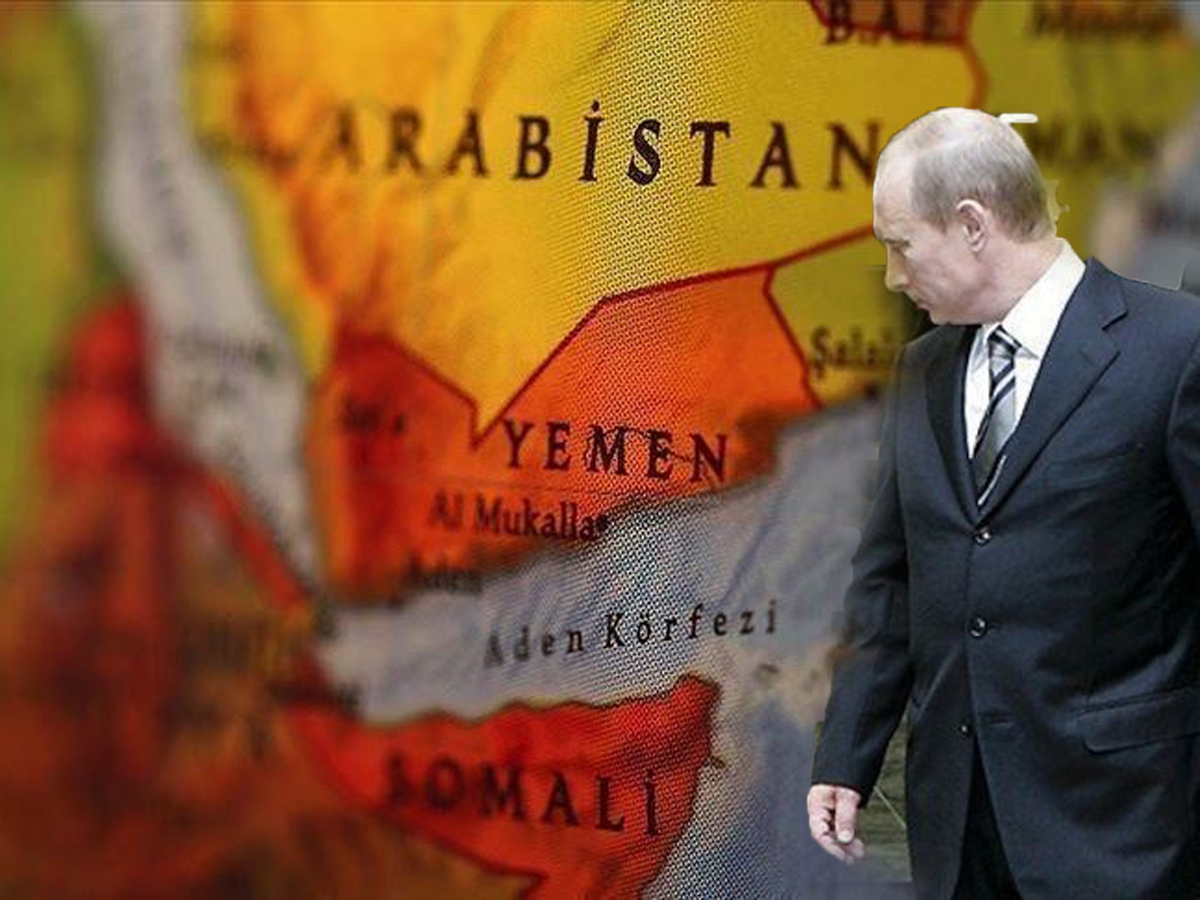
In the article Reuters It is reported that a significant portion of ships transporting Russian oil products to Asia are taking the shortcut via the Suez Canal. Ships carrying Russian cargo have begun transmitting special signals such as “Russian team on board” or “Russian cargo on board”instead of the standard destination signal.
At the same time, shipments via the Cape of Good Hope have also increased, nearly doubling in July to a record 1.1 million tonnes. Reuters points out that ships passing through the Red Sea face the threat of attacks from Yemen's Houthis.
The Houthis, as Reuters recalls, assured Russia and China in March of the safety of their ships, promising not to attack them. However, despite these promises, at least three tankers carrying Russian oil products were still attacked in the region. In response to this threat, ships carrying Russian cargo began transmitting special signals, such as “Russian crew on board” or “Russian cargo on board,” instead of the standard signal indicating the destination.
The author notes that despite the increasing risks, Russian supplies continue to use this route via the Suez Canal, which may indicate the loyalty of the Houthis or the strategic importance of this route for Russia. Reuters emphasizes that the increase in supplies via the Cape of Good Hope is also due to the need to diversify routes to reduce risks and ensure uninterrupted supplies to Asia.
Russia has actively maintained ties with the Houthis and other terrorist groups in the Middle East, raising serious concerns and criticism on the international stage. These ties indicate Moscow’s willingness to cooperate with forces that undermine stability in the region, underscoring its cynical approach to foreign policy.
The Iran-backed Houthis, who have committed numerous human rights abuses, are an example of how Russia not only turns a blind eye to aggression, but in some cases encourages it for its own geopolitical purposes. The Houthis’ promises not to attack Russian and Chinese ships, cited by Reuters, show that Moscow is actively engaging with groups officially designated as terrorists to advance its economic and strategic interests.
However, despite these agreements, attacks on tankers carrying Russian oil products continue, highlighting the unreliability and duplicity of such allies. It also shows that Russia, in attempting to use terrorist groups to achieve its goals, finds itself in a vulnerable position, dependent on unpredictable and unstable actors.
Moreover, supporting Hezbollah and other extremist organizations in the Middle East casts Russia in a very negative light on the international stage, demonstrating its willingness to cooperate with those who threaten the security of other countries and undermine peace efforts in the region. Moscow not only helps fuel conflicts, but also strengthens regimes that threaten global security.
Ultimately, Russia’s ties to the Houthis and other terrorist organizations in the Middle East demonstrate its willingness to go to any lengths to advance its interests, even if that means collaborating with those responsible for violence and chaos. Such policies deepen Russia’s international isolation and tarnish its reputation as a responsible global player.
Read us in channels Israel News Nikk.Agency